Too much mental health innovation arrives in Africa already finished. It is designed elsewhere, validated on other populations, and imported with the assumption that a tool which worked in one context will work in another. The record of that approach is poor. The more interesting question is what happens when the design, the data and the lived experience all come from inside the region the work is meant to serve.
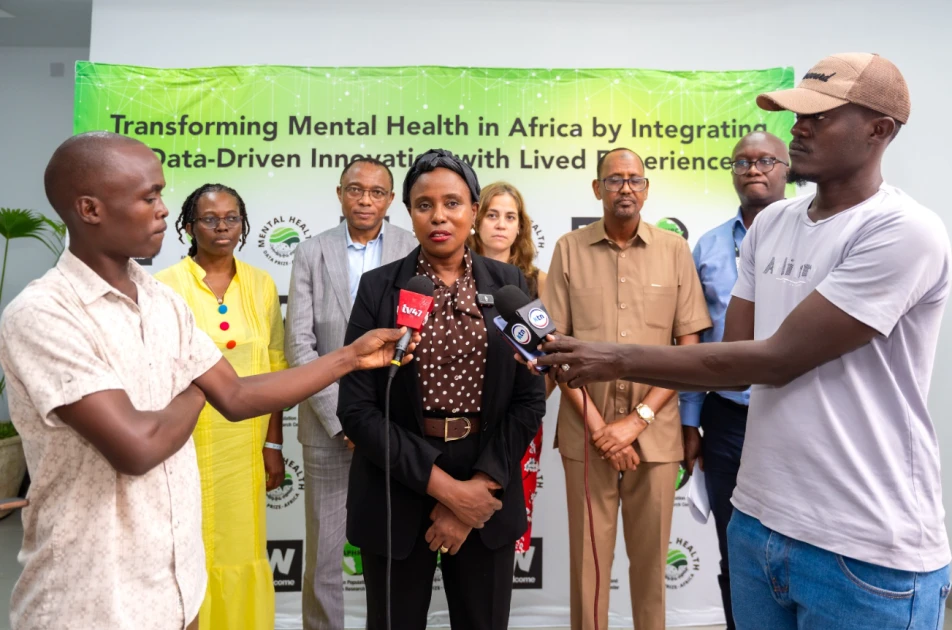
The Mental Health Data Prize Africa offers one answer. The initiative concluded its final convening in Mombasa on 2 June 2026, organised by the African Population and Health Research Center in partnership with Wellcome. Ten teams, each awarded £200,000, showcased data-driven innovations developed by African researchers to address anxiety, depression and psychosis across the continent.
The work on display was grounded rather than speculative. It included digital and community-based screening tools for the early identification and referral of mental health conditions, youth-focused interventions co-designed with people who have lived experience, and data platforms built to strengthen the evidence systems that the field across Africa has long lacked. These are not solutions in search of a problem. They are responses to specific constraints: limited funding, workforce shortages, stigma, and weak data infrastructure.
What distinguishes the programme is who is doing the deciding. Catherine Kyobutungi, executive director of the APHRC, framed the work around people rather than technology, arguing that when individuals feel safe, heard and supported they are better able to build resilience, and that open conversation is part of how stigma is reduced. Wellcome's Ekin Bolukbasi made the funding logic explicit: investing in locally developed solutions is essential if the gaps in evidence and care are to close. The co-design with lived experience is not a courtesy. It is the mechanism by which these tools have any chance of fitting the lives they are meant to support.
The wider evidence base is starting to catch up with the ambition. A systematic review protocol published in PMC is examining digital mental health interventions for adolescents and young people across Africa, with explicit attention to equity, engagement and outcomes. A gamified intervention study across six sub-Saharan countries, published in 2025, reached more than 700,000 people through interactive voice response, with 63.6 per cent of users under 25 and 68.3 per cent from rural areas. That reach matters because it was achieved through a channel that meets people where connectivity and literacy vary, rather than assuming a smartphone and a data plan.
The commercial picture is moving too, though it should be read with care. The mental health app market across the Middle East and Africa was valued at roughly 316 million US dollars in 2024 and is growing at around 14 per cent a year. Growth of that kind tends to attract attention from outside the region, which is precisely why the question of who designs, and for whom, becomes more important rather than less.
For builders, founders and clinicians, the lesson here is not a feel-good story about local talent. It is a practical correction. The interventions most likely to work are the ones designed with the people who will use them, tested against the constraints that actually apply, and built on evidence systems that the region owns. Imported tools have repeatedly failed this test. The teams convening in Mombasa are worth following not because the work is African, but because it is honest about context in a way the field often is not.
The practical next step is to watch what the APHRC publishes. The convening was an endpoint for the prize phase, not for the work. Anyone serious about equity in digital mental health should be reading the outputs as they appear, and asking the same uncomfortable question of their own products: were the people this is for in the room when it was designed?
🪺